
Substitute paraprofessionals support teachers and students with classroom activities and important academic, social and life skills. These roles offer a flexible way to make a difference in Kansas City-area schools, and with Morgan Hunter Education, qualified candidates don’t need a teaching degree or substitute teaching license to get started.
Key Takeaways
- Paraprofessionals support students and teachers through one-on-one assistance, small-group activities, classroom routines and lesson reinforcement.
- You don’t need a teaching degree or substitute teaching license to become a substitute paraprofessional with Morgan Hunter Education, but you do need a high school diploma and experience working with children in grades Pre-K–12.
- Substitute paraprofessional jobs offer flexible scheduling, weekly pay and opportunities to work with multiple Kansas City-area school districts.
- Morgan Hunter Education connects qualified candidates with substitute paraprofessional opportunities in partner school districts across the Kansas City metro and surrounding Kansas and Missouri communities.
If you want to make a difference in a school but aren’t necessarily looking for a traditional teaching position, becoming a substitute paraprofessional could be an opportunity worth exploring.
Paraprofessionals work alongside teachers and other school professionals to help students learn, participate in classroom activities and build important academic, social and life skills.
For people who enjoy working with children, substitute paraprofessional jobs offer a meaningful way to support local schools while maintaining flexibility in their schedules.
So, what does a paraprofessional actually do? What qualifications do you need? And how can you find substitute paraprofessional jobs in the Kansas City area?
Here’s what to know.
What Is a Paraprofessional?
A paraprofessional is a school support professional who works alongside teachers and other school professionals throughout the school day to help students with disabilities or additional learning needs learn, participate in classroom activities and build important skills.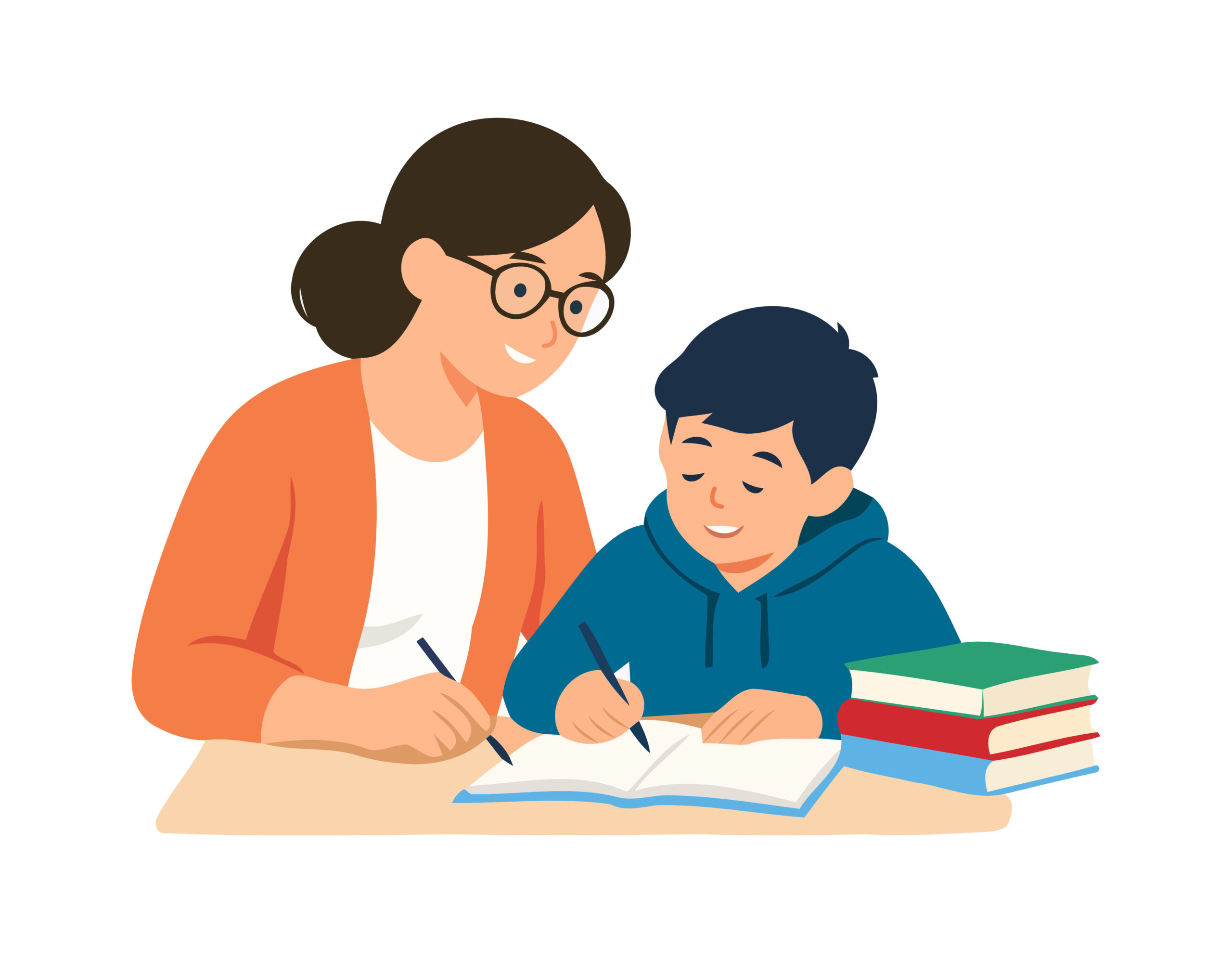
Job titles may vary by school or district, with similar roles sometimes described as paraeducators, instructional aides or classroom aides.
While titles and responsibilities vary, paraprofessionals share a common goal: helping students learn and participate successfully.
Substitute paraprofessionals fill these important roles when schools need additional or temporary classroom support.
What Does a Paraprofessional Do?
No two classrooms are exactly alike, which means the responsibilities of a paraprofessional can vary depending on the assignment and students’ needs.
Paraprofessionals generally work under the direction of a classroom teacher or special education professional. Their responsibilities may include:
- Working one-on-one with students
- Helping students complete classroom activities
- Reinforcing lessons introduced by the teacher
- Supporting small-group instruction
- Helping students transition between activities or classrooms
- Encouraging positive classroom behaviors
- Assisting students with organization and routines
- Preparing classroom materials
- Helping students practice communication, social or independent-living skills
- The role is highly collaborative. Paraprofessionals are part of a larger team that may include teachers, administrators, counselors, therapists and other school professionals.
As a substitute paraprofessional, you may support different classrooms, grade levels or school environments depending on available assignments.
Do You Need a Teaching Degree to Become a Paraprofessional?
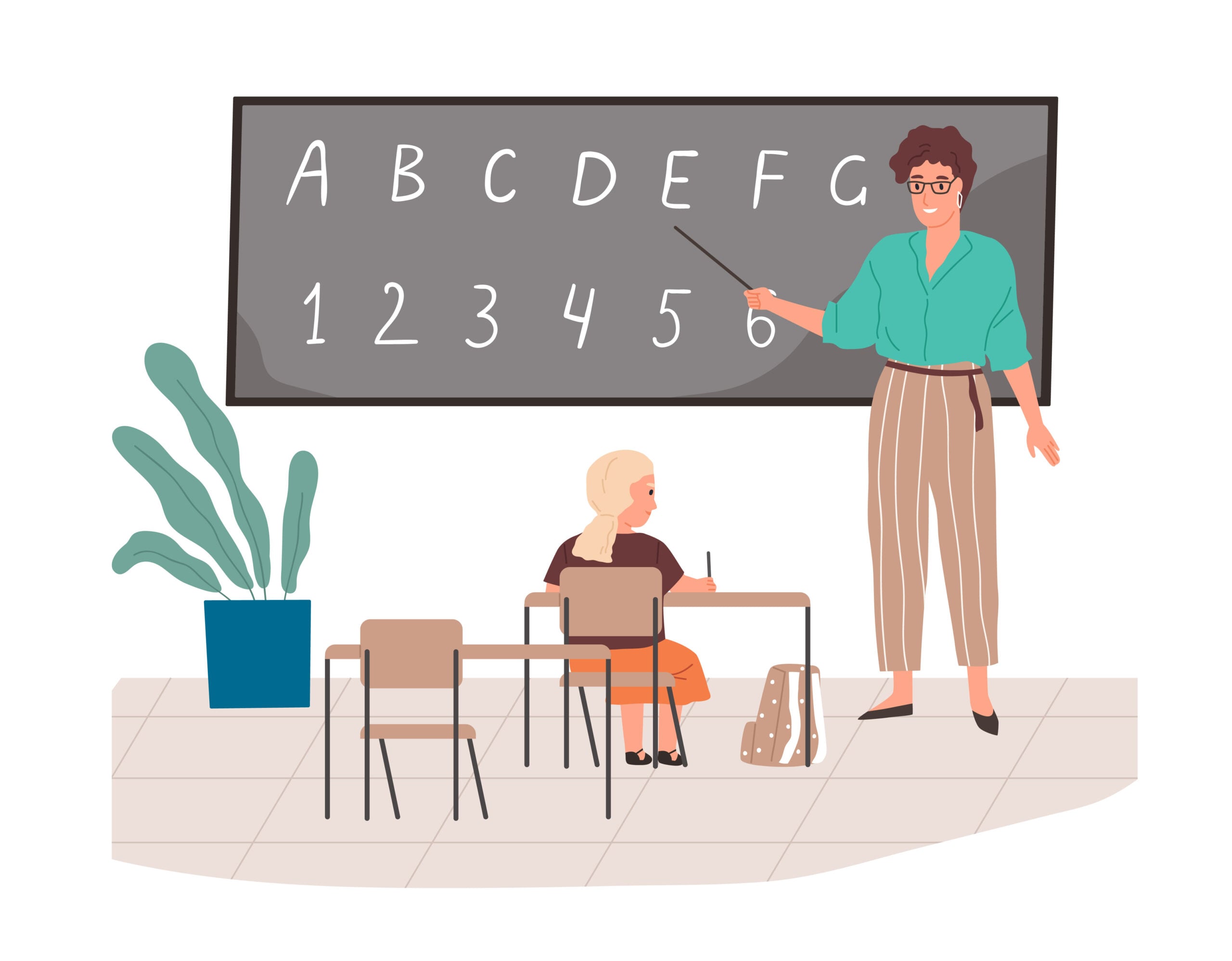
No. You do not need a teaching degree or substitute teaching license to become a substitute paraprofessional with Morgan Hunter Education.
However, there are specific qualifications and employment requirements.
According to Morgan Hunter Education’s official requirements, paraprofessional applicants must:
- Have a high school diploma and provide Morgan Hunter Education with a copy.
- Have experience working with children in grades Pre-K–12.
- Complete an online application that includes contact information and email addresses for three professional references.
- Complete a background check conducted by Morgan Hunter Education following an employment offer.
- Complete required pre-employment training before beginning assignments.
Applicants must also meet the applicable TB testing requirement, which Morgan Hunter Education specifies for substitute teachers working in Kansas schools.
These requirements make substitute paraprofessional positions an option for qualified candidates who want to work in education without first earning a teaching degree.
Learn more about Morgan Hunter Education’s employment requirements.
What Skills Do You Need to Be a Paraprofessional?
Although Morgan Hunter Education requires experience working with children in grades Pre-K–12, that experience does not necessarily have to come from a traditional classroom teaching position.
Experience in childcare, youth programs, coaching, mentoring or other roles involving children may help candidates develop relevant skills.
Some of the most valuable qualities include:
- Patience: Understanding that students learn, communicate and respond in different ways.
- Communication: Working effectively with students, teachers and other school professionals.
- Dependability: Providing consistent support to students and classroom teams.
- Flexibility: Adapting to different assignments, student needs and daily routines.
- Empathy: Recognizing and respecting each student’s individual strengths and challenges.
- Teamwork: Collaborating with teachers and following established classroom procedures.
Being willing to learn, ask questions and adapt is especially important when working in different classrooms as a substitute paraprofessional.
Why Consider Substitute Paraprofessional Jobs?
One of the biggest benefits of substitute paraprofessional work is the ability to make a differen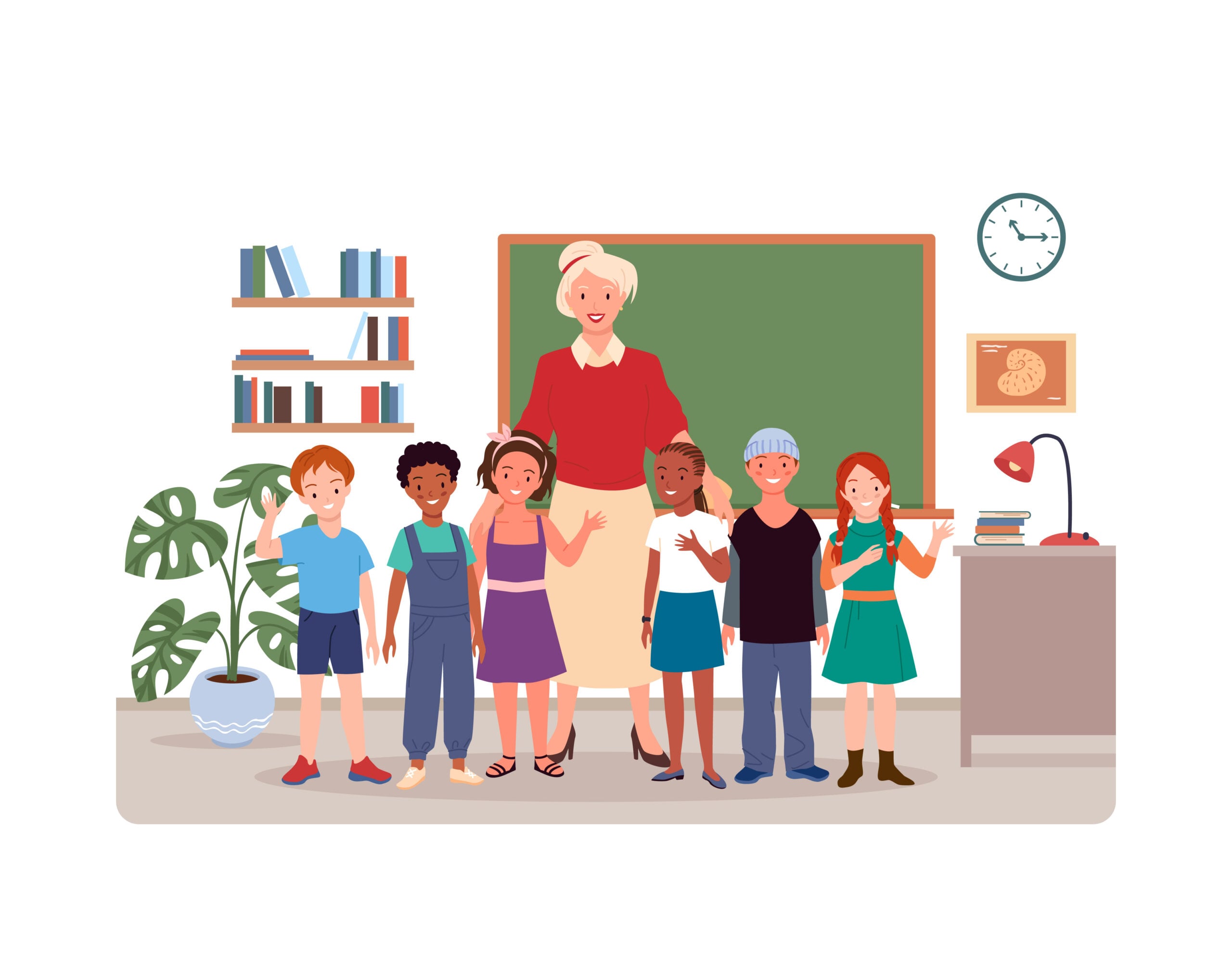 ce in local schools while maintaining greater control over your schedule.
Morgan Hunter Education offers several benefits to substitute paraprofessionals, including:
- Flexible scheduling: Make your own schedule based on your availability.
- Multiple school districts: Opportunities to work with partner school districts in the Kansas City area.
- Weekly pay: Receive regular weekly paychecks.
- Referral opportunities: Potential referral bonuses.
- Community involvement: Support students and schools in the communities where you live and work.
- Valuable experience: Build hands-on experience working with students and school teams.
These benefits make substitute paraprofessional positions appealing to parents, retirees, college students, career changers and others seeking flexible education jobs.
For anyone exploring a future career in education, substitute work can also provide firsthand experience with different classroom environments.
Learn more about becoming a substitute paraprofessional.
How Can I Find Substitute Paraprofessional Jobs in Kansas City?
Start by exploring substitute paraprofessional opportunities that align with the school environments, grade levels and schedules that interest you.
Working with an education staffing agency can also help simplify the process.
Morgan Hunter Education connects qualified candidates with substitute paraprofessional opportunities in partner school districts across the Kansas City metro and surrounding Kansas and Missouri communities.
Its partner districts include Turner, Eudora, De Soto, Lawrence, Piper and others.
Morgan Hunter Education also provides pre-employment training, orientation and staffing support to help substitutes prepare for school assignments.
You can review the participating school districts or explore the employment process to get started.
Frequently Asked Questions About Paraprofessional Jobs
What does a paraprofessional do?
A paraprofessional supports students and classroom teachers throughout the school day. Responsibilities may include one-on-one student support, small-group activities, classroom routines, lesson reinforcement and helping students participate in classroom activities.
Do paraprofessionals teach classes?
Paraprofessionals generally support instruction rather than serve as the primary classroom teacher. They typically work under the direction of a teacher or special education professional.
Do I need a teaching license to become a substitute paraprofessional?
No. Morgan Hunter Education does not require a teaching degree or substitute teaching license for substitute paraprofessional positions. Applicants must have a high school diploma, experience working with children in grades Pre-K–12 and meet the organization’s additional employment requirements.
Do I need experience to become a paraprofessional?
Yes. Morgan Hunter Education requires substitute paraprofessional applicants to have experience working with children in grades Pre-K–12. Candidates must also provide a copy of their high school diploma and complete the required application and pre-employment process.
Can I choose my own schedule as a substitute paraprofessional?
Yes. Morgan Hunter Education promotes flexible scheduling for substitute paraprofessionals, allowing them to choose assignments based on their availability and available opportunities.
Where can I find paraprofessional jobs in Kansas City?
Morgan Hunter Education connects qualified candidates with substitute paraprofessional and other school-based opportunities in participating Kansas and Missouri school districts. Visit the Morgan Hunter Education website to learn more.
Find an Education Job That Makes a Difference
You don’t have to be the teacher at the front of the classroom to make an important contribution to a student’s school experience.
For the right person, substitute paraprofessional work offers a chance to support students, become part of a school community and explore a meaningful career in education, all with the flexibility to choose when you work.
Ready to take the next step?
Explore substitute paraprofessional opportunities with Morgan Hunter Education and discover how your experience working with children could make a difference in local classrooms.
Explore Substitute Paraprofessional Opportunities with Morgan Hunter Education